



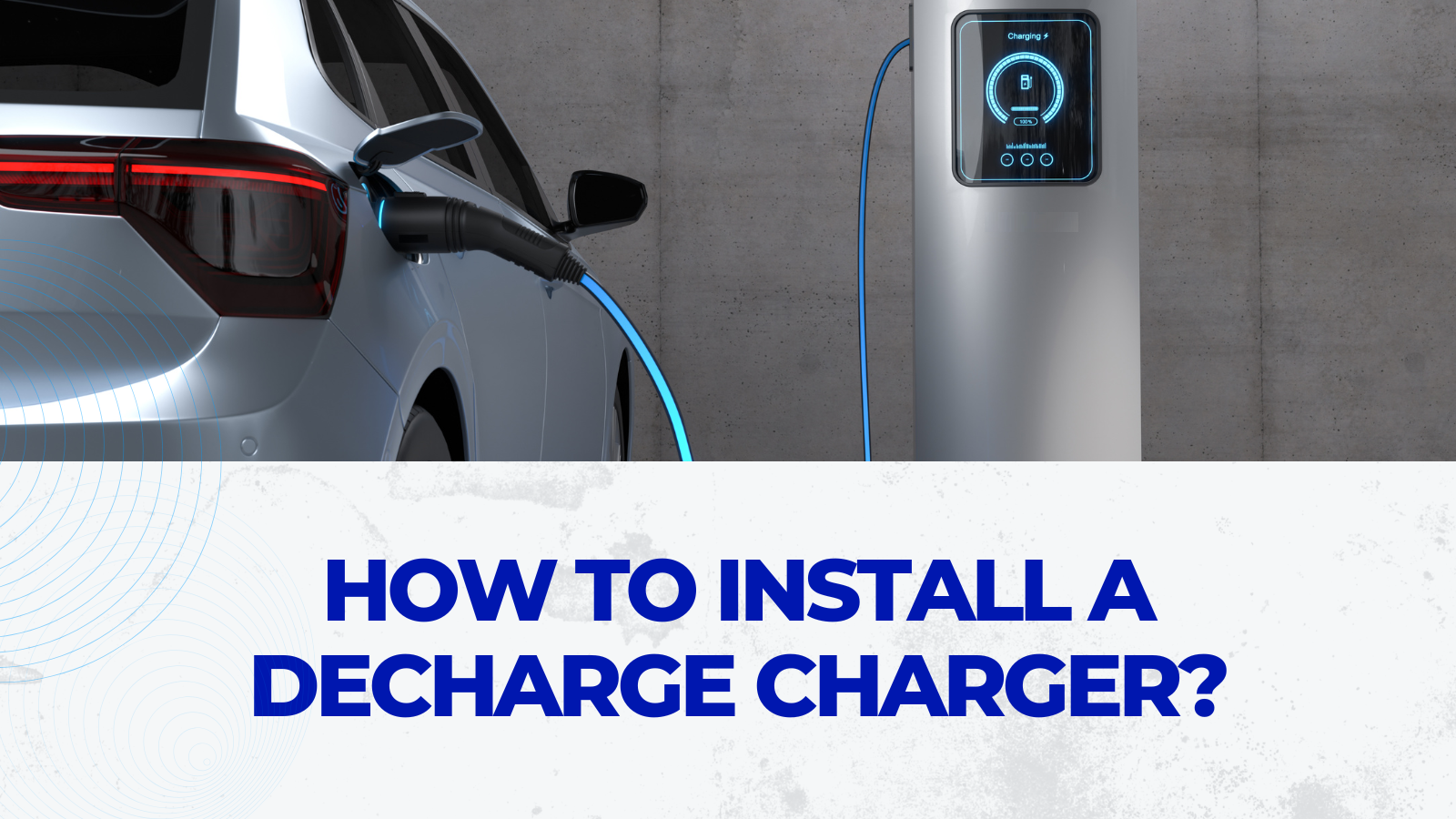
Installing a DeCharge charger is simpler than it sounds. This guide walks you through everything you need to know, from choosing the right model to getting an EV Charger live on the network. In just a few days, you can go from unpacking your charger to seeing your first EV plug in and start earning while powering progress.
- Choose How You Want to Participate
You don’t need to own land to be part of DeCharge. The network offers multiple ways to get involved based on your goals:
- Direct Ownership: Purchase and host your charger on your property. Perfect for homeowners, retailers, or offices.
- Delegated Deployment: No site? No problem. Fund a charger, and DeCharge installs and operates it in a mapped high-demand area. You still earn rewards.
- Co-ownership Pools: Invest alongside others in larger projects such as fleet or highway hubs for shared returns.
You can order your device directly from the official website: https://decharge.network/
- Understand the Deployment Process
Installing a DeCharge charger is designed to be fast and simple.
- For AC Chargers (Mini or Beast): Installation is usually completed within 5-10 days of site readiness.
- For DC Chargers (Titan Mini or Titan): Delegated or large-scale sites may take longer due to grid coordination and demand prioritization.
Before installation, make sure to check the Pre-Install Checklist, which includes:
- Stable internet connectivity (4G SIM, Wi-Fi, or LAN).
- Sufficient power supply and breaker configuration.
- Safe mounting area with proper clearance and grounding.
If you’re technically skilled or working with an electrician, you can self-install by following DeCharge’s setup guide. Always complete the commissioning checklist and submit forms before activation to ensure your device qualifies for rewards.
Step 3: Internet and Power Setup
Every DeCharge charger needs uninterrupted connectivity to ensure smooth operation and reward tracking.
Accepted connections include:
- 4G SIM with strong signal (non-M2M).
- Wi-Fi via a dedicated router (100 Mbps+).
- LAN using surge-protected Cat6 cabling.
If your device temporarily goes offline, it will store session data locally, but persistent loss will impact uptime scoring and reward tracking. Always maintain a consistent signal.
During power cuts, the charger automatically resumes when power returns. Ensure your MCB protection is intact to avoid electrical faults.
Step 4: Commissioning, Rewards, and Activation
Rewards begin once your DeCharge charger is live and operational.
After a successful 24-hour uptime test, you’ll receive a confirmation email and dashboard access to track usage and revenue.
Rewards are calculated using real-world data, based on:
- Energy dispensed (kWh).
- Uptime and availability.
- Deployment cohort (early adopters may receive multipliers).
Location score (high-demand areas earn more).
Typical recurring costs are minimal and may include:
- Local electricity usage (for host-owned chargers).
- 4G SIM/data plan (if applicable).
- Light maintenance for self-managed units.
Step 5: Join the Community and Stay Connected
Once your charger is online, you become part of the DeCharge network, a global ecosystem of hosts, investors, and innovators building decentralized energy infrastructure together.
Stay connected for updates, troubleshooting, and community insights:
- Telegram: t.me/dechargecommunity
- X (Twitter): x.com/DeCharge__
- Discord: discord.gg/RpmsUu5nfx
If you need help, email [email protected] with your charger ID, site details, and a brief description of your issue.
Turn Any Space Into an EV Charging Hub That Earns
Pick the right device, prep power + internet, install to spec, commission cleanly, and keep connectivity stable. Do those five things and you’ll turn an ordinary space into reliable, revenue-generating infrastructure contributing real capacity to the EV future while you earn.