


Thinking about switching to an electric car? It’s a big step and it’s okay to have questions. Maybe you’ve wondered if it’s really as simple as people say, or if charging will be a hassle.
Every EV driver started with the same doubts, so don’t worry!
And most will tell you the same thing: once you make the switch, you’ll never want to go back. This guide is here to answer your questions and help you see how easy it can be to go electric.
1. How and where do I charge my EV?
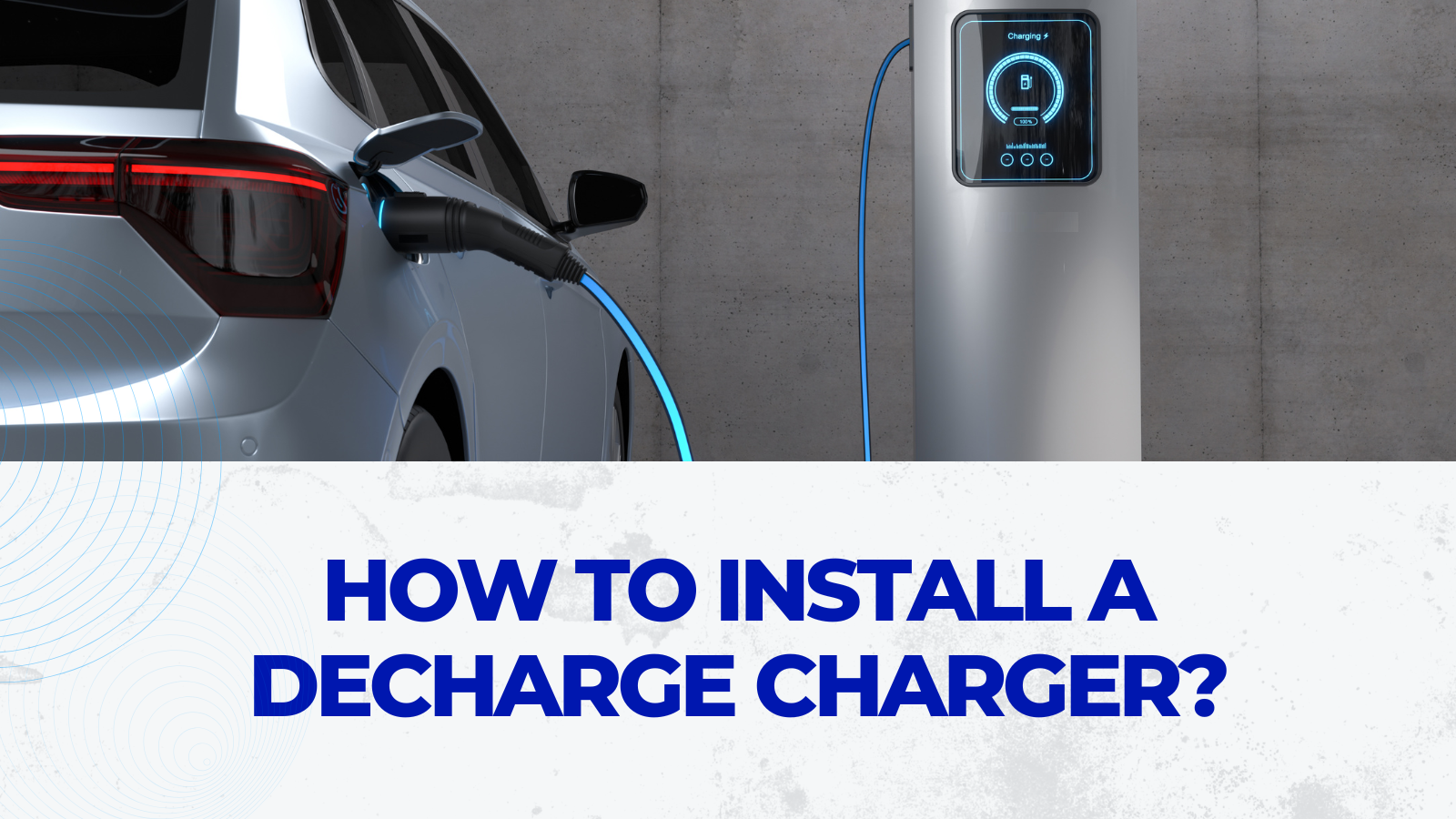
Charging your EV is easier than most people think. You can plug in right at home using a compact DeCharge Mini or Beast charger without any complex setup, just connect and let it charge overnight.
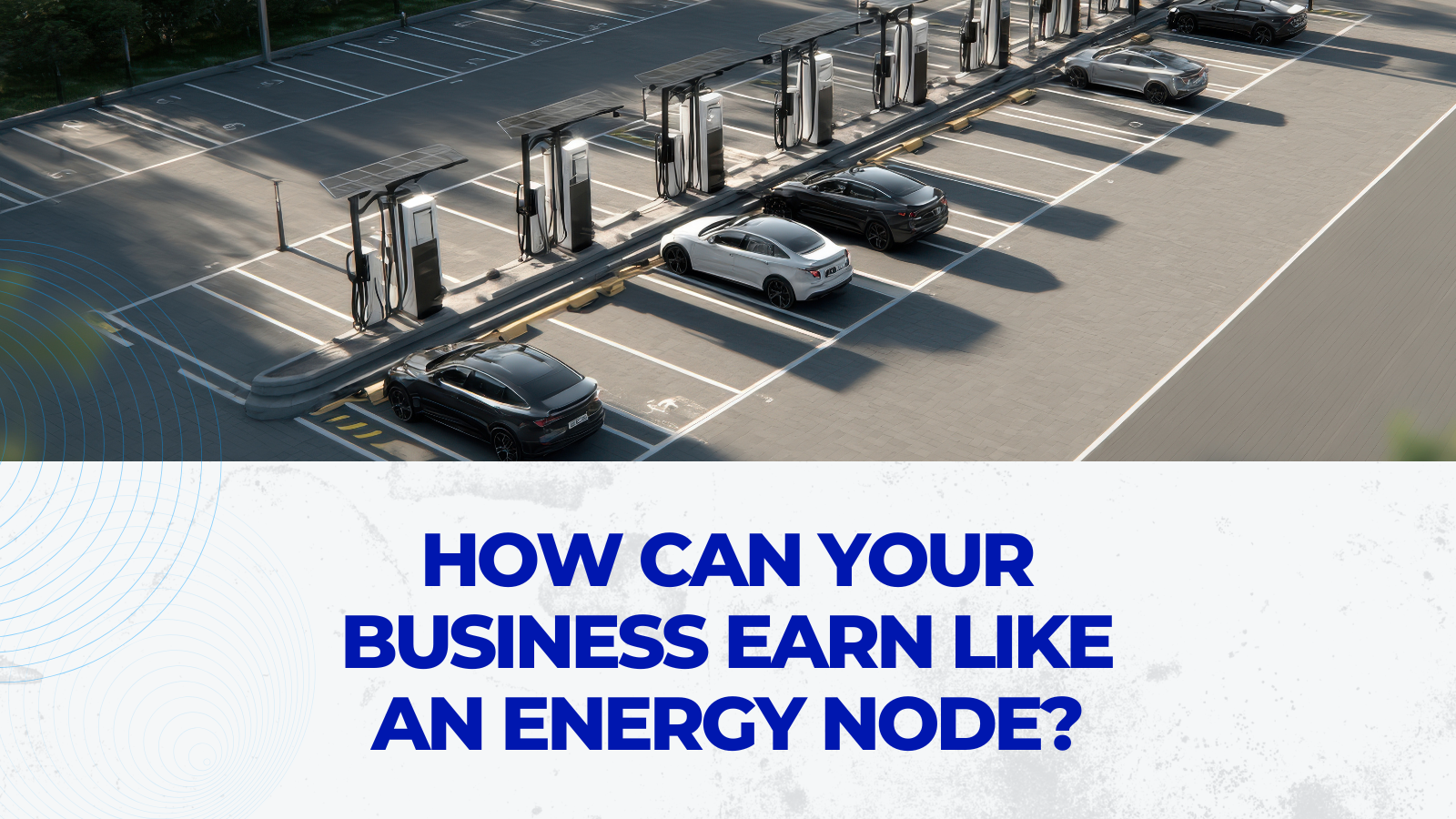
When you’re out and about, you’ll find plenty of public chargers at coffee shops, offices, hotels, and parking lots. With networks like DeCharge, you can check locations in real time and plan all your charging stops.
2. How long does it take to charge?
It depends on your charger and car battery, but most EVs fully charge in 6–8 hours with a home Level 2 charger (like the DeCharge Beast). For quick top-ups, DC fast chargers can power you up in 30–45 minutes. The key is to think of charging as part of your routine: plug in when you park, not when you’re empty. That’s what makes EVs surprisingly convenient once you get used to them.
3. Is driving an EV really cheaper than gas?
Yes, a lot! Electricity costs far less than fuel, and maintenance is minimal (no oil changes or exhaust systems). Charging at home can reduce your running costs by up to 70% per kilometer.
And here’s something even better: with DeCharge, you can earn too. Host a charger at your home or business, and get rewarded every time another EV driver plugs in. It’s an easy way to offset costs while helping expand the network.
7 Ways to Get the Most Out of Your Electric Range and Charge
4. What about range? Will I have enough power for long drives?
Most modern EVs can drive 300–500 km on a single charge, more than enough for daily commutes and weekend trips.
With smart planning, you’ll always know where the next charger is. Most drivers charge at home and rarely need to think about range at all.
5. Is it really better for the planet?
Absolutely. EVs produce zero tailpipe emissions, meaning cleaner air and lower carbon output. When paired with renewable energy or community-powered networks like DeCharge, every charge supports a greener grid and a more sustainable energy model.
By driving electric, you’re part of a global shift toward cleaner, smarter mobility.
Ready to Take the Next Step?
Once you make the switch, you’ll wonder how you ever drove anything else. Join the growing DeCharge community and see how people everywhere are helping shape a smarter, more connected future of mobility. Visit DeCharge.Network to learn how easy it is to begin your electric journey.