



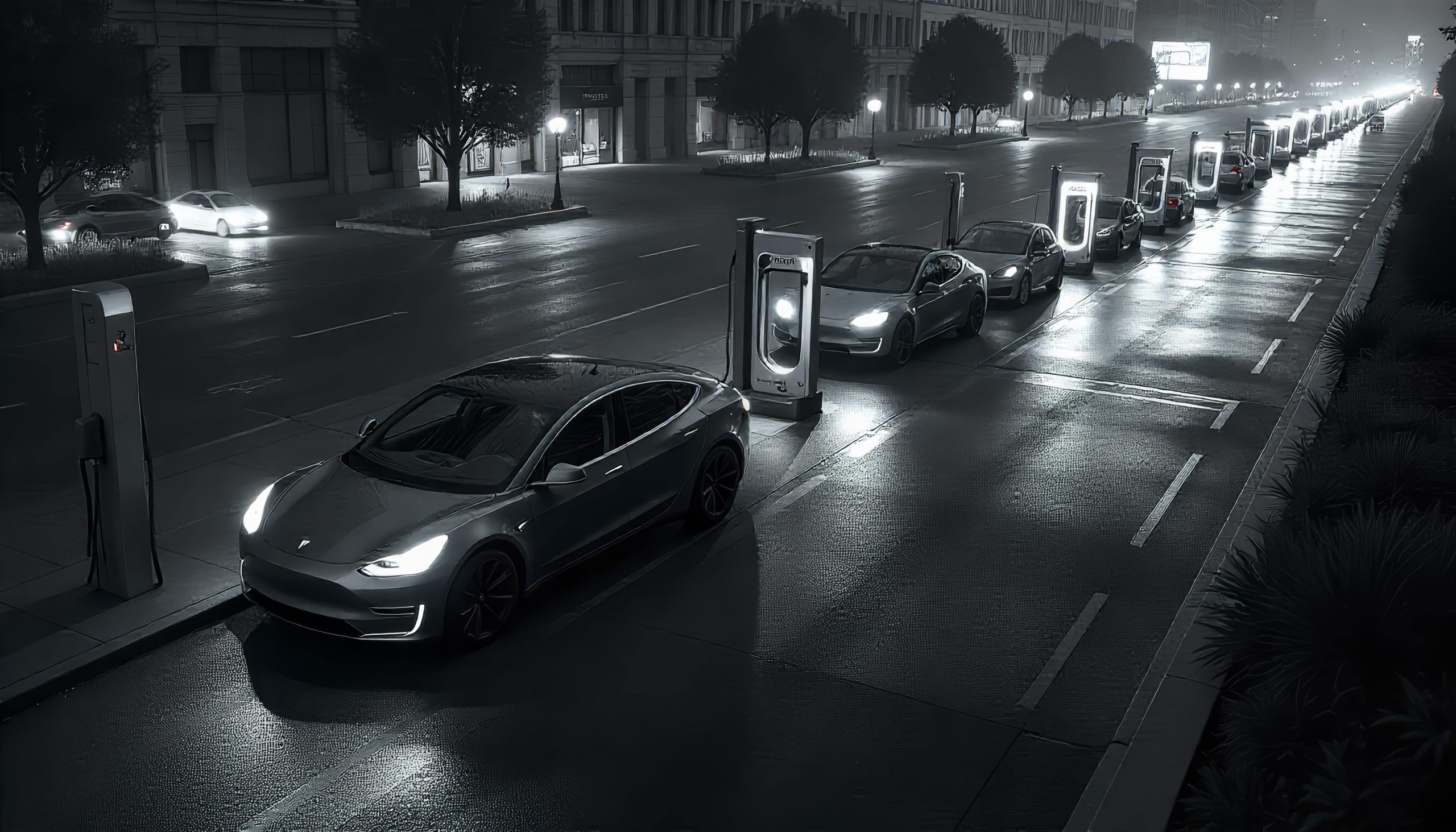
Switching to an electric vehicle isn’t just about buying a car, it’s about confidence. And that confidence comes from knowing you’ll find a place to charge when you need it. Right now, charging infrastructure is patchy, concentrated in city centres and highways, and painfully slow to expand. For many potential EV buyers, that uncertainty is enough to delay the switch.
That’s where community-owned charging comes in. Instead of waiting around for governments or big companies to put up massive charging stations, everyday people can take the lead. A shop owner, a coworking space, a housing society, even a single resident with a spare parking spot, all of them can set up a charger and make it available to their neighbours.
It’s a bit like how Wi-Fi spread in the early days. At first, it was patchy and controlled by a few big players. But once cafés and homes started offering their own hotspots, coverage grew overnight. EV charging can follow the same path. When communities get involved, charging becomes quicker to set up, easier to find, and run by the very people who need it most.
And that’s exactly how this model tackles the EV adoption bottleneck: it takes the power out of the hands of a few, and puts it into the hands of many.
- Speed: A community charger can go live in 1–3 weeks versus 3–6 months for a corporate-run station.
- Coverage: Chargers aren’t stuck in city centers, they pop up in residential complex (resident welfare associations), shops, and small businesses.
- Affordability: The host earns from uptime while drivers pay per use. No single entity shoulders the full cost.
- Trust: People are more comfortable charging in their neighbourhood or workplace rather than driving miles out of the way.
What is range anxiety? And how does a community-owned charging grid help solve this problem?
One of the most common reasons to not buy an EV is, “What if I run out of charge and there is no charging station nearby?”
A community-owned charging grid puts chargers right where you live, work and shop. Instead of waiting around for governments or big companies to put up massive charging stations, everyday people can take the lead. A shop owner, a coworking space, a housing society, even a single resident with a spare parking spot, all of them can set up a charger and make it available to their neighbors. When communities get involved, charging becomes quicker to set up, easier to find, and run by the very people who need it most.
Get DeCharge’s stories in your inbox
Join Medium for free to get updates from this writer.Subscribe
And that’s exactly how this model tackles the EV adoption bottleneck: it takes the power out of the hands of a few, and puts it into the hands of many. Cities that tested community charging in busy neighbourhoods actually saw EV adoption rise. People simply trusted that they could plug in easily, without going out of their way.
This is great! But how does community charging impact the environment?A well developed community charging grid means fewer petrol/diesel stations and vehicles on the road. More EVs lead to fewer emissions.
But that’s not all. It also means cleaner air in crowded neighbourhoods. And if some community chargers run on solar, it makes for a much greener environment. So a charger in your basement is more than a plug, it’s your building’s contribution to a cleaner tomorrow.
How can I, as a host, play a role in building a greener tomorrow?
Hosts are the everyday heroes in our quest to a greener tomorrow. By hosting chargers on your property you not only contribute to cutting carbon emissions, but also provide a reliable place to charge neighbourhood EVs. This builds trust among the community when there is a visible charger in a familiar place.
But that is not all. Apart from contributing to the environment, hosts can also earn from their charging stations for uptime, creating a positive cycle where doing good for the planet also means doing good for your wallet.
How Does DeCharge Tackle EV Charging Challenges in India?
The EV revolution is hurdled by infrastructure gaps. Traditional networks are slow to build, centralised and limited to certain catchment areas. DeCharge takes a different approach:
- Community-led ownership: Chargers are owned by individuals, shops and communities hence decentralizing the charging infra ownership
- Rapid Set up: Chargers can be installed and go live within weeks, not months
- Transparency: Every session is tracked and earnings are clear to the hosts with a real-time dashboard using the blockchain technology.
The larger vision?
DeCharge envisions a world where energy is shared, decentralised and in abundance. EV charging is just the first step towards laying the foundation for a community-driven clean energy future.
Join the Grid: https://decharge.network/